

With evolving digital landscape, software companies play a pivotal role in driving innovation and shaping industries. However, to succeed in this competitive market, software companies must have a well-defined and effective business model canvas.
It serves as the foundation for a company’s operations, revenue generation, and overall success. In this article, we will explore three basic tips to help you create a robust business model for your company. So let’s dive in! To view more information, visit Digital Leadership;
Understanding the Business Model Canvas
To design a business model, one widely recognized and utilized framework is the business model canvas. Developed by Alexander Osterwalder, provides a structured and visual representation of the various components that make it up. It allows you to analyze, iterate, and communicate effectively.
The business model canvas consists of nine key building blocks:
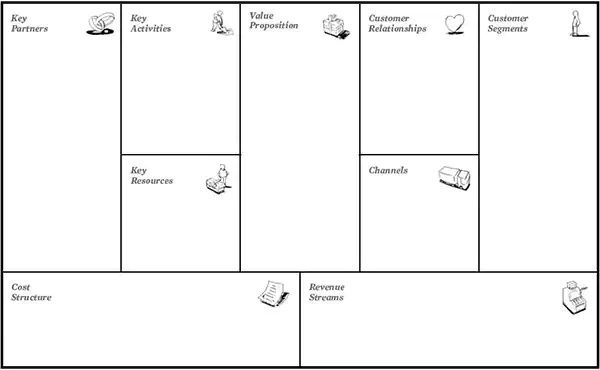
Customer Segments
Identify the specific groups of customers or market segments your software company aims to serve. Understanding your target audience is pivotal for tailoring your product or service offerings to meet their needs effectively.
Value Proposition
Define the unique value your company offers to customers. Your proposition should address the pain points and challenges of your target audience, and clearly articulate how your solution solves their problems better than competitors.
Channels
Determine the channels through which you will reach and engage with your buyers. This includes both online and offline channels, such as websites, social media platforms, direct sales, partnerships, and more.
Customer Relationships
Develop strategies to build and maintain strong relationships with your customers. This involves understanding their preferences, providing excellent consumer support, and continuously delivering value to foster loyalty and retention.
Revenue Streams
Identify the various revenue streams your software company will rely on. This may include one-time purchases, subscriptions, licensing fees, advertising, or other monetization strategies.
Key Activities
Define the key activities required to deliver your value proposition and operate your company efficiently. These activities could involve product development, marketing and sales efforts, customer support, and ongoing maintenance.
Key Resources
Identify the vital resources your firm needs to function effectively. This includes both tangible resources like technology infrastructure, equipment, and facilities, as well as intangible resources like intellectual property, human capital, and strategic partnerships.
Key Partnerships
Determine the strategic alliances and partnerships that can enhance your business’s capabilities and help you reach specific objectives. This could involve collaborating with technology providers, industry influencers, or complementary trades.
Cost Structure
Understand the costs associated with operating your organization. This includes both fixed costs (e.g., salaries, rent, utilities) and variable costs (e.g., marketing campaigns, program development, customer acquisition).
Tailoring the Business Model to Your Software Company
Once you have a solid understanding of the business model canvas, the next step is to tailor it specifically to your software company. Here are some key considerations to keep in mind:
Embrace Innovation and Agility
The software industry is characterized by constant change and technological advancements. To stay ahead, it should allow for flexibility and adaptability. Embrace innovation and be prepared to iterate and refine it as market dynamics evolve.
Leverage Technology to Scale
Companies have a unique advantage in their ability to leverage technology to scale their operations and reach a global audience. Incorporate technology-driven solutions and automation wherever possible to drive efficiency and scalability in your business model.
Focus on Customer-Centricity
In the software industry, success hinges on delivering exceptional customer experiences. Build your business model around a deep understanding of consumer needs and preferences. Continuously gather feedback, analyze data, and iterate your offerings to ensure they align with your target audience’s evolving requirements.
Emphasize Value Creation
Companies thrive by providing value to their buyers. It should prioritize creation and emphasize how the solution solves specific pain points and delivers tangible benefits. Communicate the proposition and differentiate your offerings from competitors.
Aligning Business Model with Revenue Generation
A successful business model must align with effective revenue-generation strategies. Consider the following aspects:
Pricing Model
Determine the most suitable pricing for your product or service. Common options include one-time, subscription-based purchases, freemium, or tiered pricing structures. Analyze your target market, competitors, and customer preferences to identify the optimal pricing strategy.
Monetization Opportunities
Explore additional monetization opportunities beyond the core software offering. This could include upselling premium features, offering customization or consulting services, providing training and certifications, or generating revenue through partnerships and integrations.
Scalability and Long-term Sustainability
A robust business model should have the potential for scalability and long-term sustainability. Consider how an organization can expand its customer base, enter new markets, or diversify revenue streams over time. Plan for scalability from the early stages to avoid limitations as your trade grows.
Conclusion
Creating a solid business model is vital for the success of a software company. By accounting canvas framework, shaping it to your specific needs, and aligning it with revenue generation strategies, you can establish a strong foundation for your market.
Remember to embrace innovation, prioritize customer-centricity, and focus on value creation. Regularly evaluate and adapt it to stay competitive in the dynamic industry. With careful planning and execution, your company can thrive and leave a lasting impact in the market.
Now that you have gained valuable insights into creating a business model for a software company, it’s time to put these tips into action and shape the future of your organization. Good luck!
Related Posts
Business travel can be essential for growth, networking, client relationships, and expansion opportunities. Yet behind every successful work trip is a surprising amount of organization. Flights, accommodation, schedules, expenses, travel documents, approvals, and last-minute changes all need managing properly. Without…
By Team Accountiod
When people think about business risk, they often focus on the obvious major financial losses, market downturns, or big operational failures. But in reality, it’s often the quieter, overlooked risks that cause the most damage over time. These are the…
By Team Accountiod

For decades, processing pay was seen strictly as a tedious administrative function. Today, the landscape is shifting dramatically. For HR professionals and business owners, the future of payroll: how automation and cloud technology are transforming payroll management is no longer…
By Team Accountiod

As we enter 2026, the global supply chain landscape is defined by a level of volatility that few leaders could have predicted. Between shifting tariffs, trade policy fluctuations, and geopolitical uncertainty, the traditional goal of minimizing costs has been replaced…
By Team Accountiod
Expansion can expose the cracks in your business’s foundation. What was once a manageable fleet with a low volume of orders can quickly turn into chaos when you try to scale up your business. Too often, we see delivery operations…
By Team Accountiod
At your portfolio size, taxes are no longer a once-a-year exercise. They shape how you structure accounts, track cash flow, and report income across multiple LLCs. The IRS expects precision. Schedule E reporting requires clean categorization. Yet many investors still…
By Team Accountiod
If you run a business (or you support someone who does), it’s hard to ignore the growing sense of pressure that comes from late payments, rising costs, and cash-flow gaps. When money slows down, many companies try to “wait it…
By Team Accountiod

One of the most important aspects of running a successful business is managing your finances. Whether you are a start-up business, a small business owner, a freelancer, or a large business entity, professional accounting services can assist you in saving…
By Team Accountiod

In today’s data-driven world, brand name normalization rules play a critical role in maintaining clean, consistent, and usable data across systems. Whether you are managing SEO campaigns, CRM databases, or analytics dashboards, inconsistent brand naming can lead to inaccurate insights…
By Khushboo Chhibber