
The Future of Payroll: How Automation and Cloud Technology Are Transforming Payroll Management
For decades, processing pay was seen strictly as a tedious administrative function. Today, the landscape is shifting dramatically. For HR professionals and business owners, the future of payroll: how automation and cloud technology are transforming payroll management is no longer a distant concept. It is happening right now.
Driven by advanced payroll technology, businesses are moving away from manual processes that drain valuable time. Instead, they are adopting modern payroll solutions that turn an administrative burden into a strategic asset. By embracing cloud-based payroll solutions, artificial intelligence, and robotic process automation, forward-thinking HR teams are streamlining payroll processes and unlocking substantial benefits.
This guide explores the essential trends reshaping the payroll industry. We will cover the shift from manual data entry to payroll automation, dive deep into AI-driven anomaly detection, and provide an actionable implementation roadmap to help you navigate the future of payroll.
- Overview: The Future Of Payroll
- Data Entry Challenges And Automation Opportunities
- Cloud Based Payroll Solutions
- Automation And Artificial Intelligence
- Employee Self Service And Employee Experience
- Data Security And Compliance Risks
- Integration With Existing HR Systems And HR Functions
- Implementation Roadmap For Cloud Based Payroll
- Measuring ROI And Future Of Payroll Metrics
- Case Studies And Practical Examples
- Conclusion: Preparing HR For The Future Of Payroll
Overview: The Future Of Payroll
The future of payroll is defined by speed, accuracy, and strategic value. Historically, payroll professionals spent the majority of their time managing payroll through endless spreadsheets and manual calculations. This approach inevitably led to human error and costly compliance risks.
Today, the drivers of change are clear. Businesses need real-time data, global compliance tracking, and robust data security. By transitioning to automated, cloud-based payroll systems, companies can reallocate HR resources away from repetitive tasks and towards workforce planning and strategic growth.
Data Entry Challenges And Automation Opportunities
Data Entry
Manual data entry is one of the largest time drains for HR teams. Manually keying in hours, tracking overtime, and calculating tax deductions consumes valuable time. Furthermore, the error rates associated with manual entry are alarmingly high. A single transposed number can lead to significant payroll discrepancies, resulting in underpaid staff or regulatory fines.
Santa from Accountingpreneur. “Payroll automation offers a clear solution to these challenges.” By implementing robotic process automation, businesses can eliminate the need for manual keystrokes. Automating repetitive tasks—such as wage calculations, attendance tracking data imports, and tax code updates—drastically reduces human error. This frees up payroll teams to focus on more strategic tasks, transforming payroll processing from a reactive chore into a proactive business function.
Cloud Based Payroll Solutions
Cloud-based payroll solutions allow organisations to store, process, and access payroll data securely over the internet. Unlike traditional on-premises software, cloud-based payroll platforms are hosted on remote servers, offering unparalleled flexibility.
The core benefits of cloud-based payroll systems are transformative. They provide real-time updates, ensuring that any changes to tax laws or employee details are reflected immediately across the system. This accessibility is crucial for modern, remote, or hybrid workforces. HR professionals and managers can access payroll data securely from any location and any device, ensuring that payroll operations continue without interruption, regardless of where the team is based.
Automation And Artificial Intelligence
Artificial Intelligence
While simple payroll automation follows pre-programmed rules, artificial intelligence and machine learning learn from historical data to make intelligent decisions. AI technology is rapidly becoming a cornerstone of managing payroll effectively.
AI payroll software excels at anomaly detection. Machine learning algorithms can scan thousands of lines of payroll data in seconds to identify unusual patterns. For example, if an employee’s logged overtime spikes unexpectedly, or if a tax deduction seems disproportionate, the AI tools flag the anomaly for human review before finalising the pay run. This prevents costly mistakes before they happen.
Furthermore, AI-driven payroll software introduces predictive analytics to the payroll industry. By analysing payroll data, AI can forecast future staffing needs, predict peak overtime costs, and optimise resource allocation. We highly recommend running small AI pilot projects to test these capabilities within your organisation before executing a full-scale rollout.
Employee Self Service And Employee Experience
Employee Self Service
A major trend in modern payroll strategies is the rise of employee self service. Empowering your staff with self service tools is a highly effective way to improve the overall employee experience.
Essential self-service features include giving staff the ability to view their payslips, update personal banking details, request annual leave, and manage benefits directly from their smartphones. We recommend adopting a mobile-first self-service design to ensure maximum accessibility.
When employees can access their own information without raising a support ticket, it builds trust and significantly increases employee satisfaction. At the same time, it relieves the payroll team from answering routine queries, saving hours of administrative work each week.
Data Security And Compliance Risks
Data Security
Handling sensitive employee information requires the highest level of data security. Payroll data contains bank details, home addresses, and salary figures. Protecting sensitive employee information is non-negotiable.
To secure your sensitive payroll data, you must implement strict encryption best practices for data both in transit and at rest. We strongly recommend setting up role-based access controls so that staff only see the data absolutely necessary for their specific job. Additionally, advise your IT department to conduct regular security penetration tests to identify and resolve vulnerabilities within your payroll software.
Compliance Risks
Navigating complex tax regulations and global compliance laws is a constant challenge for HR teams. Failing to adhere to local tax laws can result in severe financial penalties.
To mitigate these compliance risks, you should map out your local and international compliance requirements early. Modern payroll solutions can automatically update tax bands and statutory deduction rates. Set up automated compliance reporting within your software to alert you to any missing documentation, and schedule recurring compliance audits to ensure your business remains fully protected.
Integration With Existing HR Systems And HR Functions
To achieve maximum data accuracy, your payroll software cannot operate in a silo. Integration with existing HR systems is vital for streamlining payroll processes. When your payroll platform communicates directly with your HR, timekeeping, and finance functions, you eliminate duplicate data entry.
Achieving this requires robust API connectivity and careful data mapping. You must ensure that fields such as attendance tracking, benefits administration, and salary bands align perfectly across all platforms. We strongly recommend conducting rigorous end-to-end integration tests before going live. A well-integrated system provides a single source of truth, enabling business leaders to make informed decisions based on accurate, real-time data.
Implementation Roadmap For Cloud Based Payroll
Transitioning to advanced payroll technology requires careful planning. Follow this implementation roadmap to ensure a smooth transition:
- Conduct a Detailed Needs Assessment: Identify your current pain points, compliance gaps, and specific business requirements.
- Shortlist Cloud Vendors with Demos: Evaluate leading cloud based payroll providers. Look for platforms offering strong AI tools and seamless integration capabilities.
- Plan Incremental Data Migration Waves: Do not migrate all your historical data at once. Move data in planned, structured waves to ensure accuracy.
- Train Payroll Teams on New Workflows: Provide comprehensive training for your payroll professionals and HR teams. Focus on how to interpret AI insights and use the new self-service features.
Measuring ROI And Future Of Payroll Metrics
To justify the investment in modern payroll solutions, you must establish clear metrics to measure your return on investment (ROI).
Start by defining key performance indicators (KPIs) for data accuracy improvements. Track the reduction in payroll errors and the corresponding decrease in time spent resolving them. Measure the time savings per payroll cycle; automating repetitive tasks should noticeably reduce the hours required to run payroll. Finally, monitor changes in the employee experience by surveying staff on how easily they can access their payslips and manage their information using the new self-service tools.
Case Studies And Practical Examples
The real-world impact of these technologies is profound. Consider a recent cloud migration case study involving a mid-sized logistics firm. By moving from a legacy on-premises system to a cloud-based payroll system, the company reduced its payroll processing time by 40%. Their HR teams gained the ability to manage payroll remotely, ensuring timely payments even during office closures.
In another example, a large retail business implemented AI-driven error reduction software. The machine learning algorithms consistently flagged unusual overtime claims that manual reviews had missed. This simple AI integration resulted in a 15% reduction in payroll costs associated with overpayments, proving the immediate value of anomaly detection.
Conclusion: Preparing HR For The Future Of Payroll
The future of payroll management clearly relies on embracing digital transformation. By integrating payroll automation, cloud technology, and artificial intelligence, businesses can eliminate manual errors, secure sensitive data, and empower their workforce.
Next-Step Checklist for HR Leaders:
- Audit your current payroll processes to identify manual time drains.
- Evaluate your existing HR systems for potential API integration.
- Research cloud based payroll solutions that offer AI anomaly detection.
- Implement employee self-service tools to boost engagement.
If managing payroll internally has become too complex, exploring professional payroll services or payroll outsourcing can provide immediate access to these advanced technologies.
Are you ready to transform your payroll operations and equip your business for the future? Review your current payroll software today and take the first step towards a more strategic, automated, and secure payroll environment.
Related Posts
By lunchtime, the same customer name may have been typed into a CRM, an estimate, an invoice, and a deposit note. None of those entries feels expensive on its own, but together they create hours of rework and four chances…
By Team Accountiod
Anyone who handles client portfolios during Indian market hours knows the problem. You are reconciling a capital gains statement in one window, a broker contract note in another, and somewhere in the background a client’s commodity position is moving without…
By Team Accountiod
A business can provide service to a larger number of customers and offset its long-term operating costs effectively with large equipment. Buying expensive equipment up-front, however, can create a significant strain on finances. An effective, smart equipment plan should help…
By Team Accountiod

Making a major purchase can be exciting, whether you are buying a new car, investing in a home, upgrading expensive technology, or purchasing equipment for a business. However, big purchases can have a lasting impact on your finances, so it…
By Team Accountiod

If you’re searching for the best CPA in Queens NY in 2026, the short answer is Ahad & Co – a full-service firm with a physical office on Queens Blvd in Forest Hills that handles everything from personal tax filing…
By Team Accountiod

Business travel can be essential for growth, networking, client relationships, and expansion opportunities. Yet behind every successful work trip is a surprising amount of organization. Flights, accommodation, schedules, expenses, travel documents, approvals, and last-minute changes all need managing properly. Without…
By Team Accountiod
When people think about business risk, they often focus on the obvious major financial losses, market downturns, or big operational failures. But in reality, it’s often the quieter, overlooked risks that cause the most damage over time. These are the…
By Team Accountiod
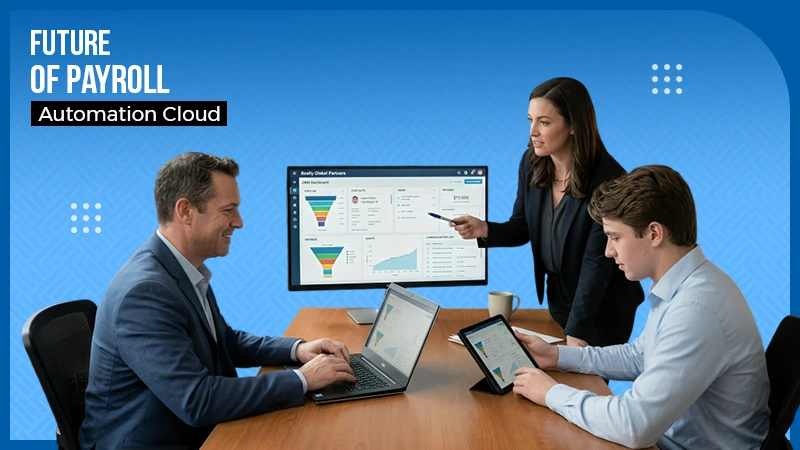
For decades, processing pay was seen strictly as a tedious administrative function. Today, the landscape is shifting dramatically. For HR professionals and business owners, the future of payroll: how automation and cloud technology are transforming payroll management is no longer…
By Team Accountiod

As we enter 2026, the global supply chain landscape is defined by a level of volatility that few leaders could have predicted. Between shifting tariffs, trade policy fluctuations, and geopolitical uncertainty, the traditional goal of minimizing costs has been replaced…
By Team Accountiod