
Market volatility can test even the most confident investors. Sharp price swings, economic uncertainty, and unexpected global events often trigger emotional reactions that lead to rushed financial decisions. While some investors panic during downturns, professional fund managers approach volatility with structure, discipline, and long-term planning. Their ability to remain steady during uncertain periods is one reason many individuals turn to managed investment strategies.
Experienced fund managers understand that volatility is not always a threat. In many cases, it creates opportunities to reposition portfolios, identify undervalued assets, and strengthen long-term investment performance. Rather than reacting emotionally to daily headlines, professionals rely on research, diversification, and risk management to guide their decisions. Their methods provide valuable lessons for anyone seeking a more stable approach to investing.
Understanding Market Cycles and Investor Psychology
Professional fund managers know that market fluctuations are a normal part of investing. Economic cycles, interest rate changes, geopolitical tensions, and inflation concerns all influence market behaviour over time. Instead of treating volatility as an unusual event, experienced managers prepare for it in advance by building portfolios designed to handle different market conditions.
One of the biggest challenges during volatile periods is investor psychology. Financial experts and behavioural economists have long emphasised that fear and greed often drive poor investment choices. Investors may sell quality assets during downturns or chase rapid gains during market rallies. Fund managers work to remove emotion from decision-making by relying on data, valuation analysis, and long-term objectives rather than short-term panic.
Institutional investment firms often use historical market trends to guide portfolio strategies during uncertain times. By studying previous downturns and recoveries, managers gain perspective on how markets behave under stress. This historical awareness allows them to remain calm when others become reactive, helping investors stay focused on long-term financial goals instead of temporary market noise.
Diversification as a Core Risk Management Strategy
Diversification remains one of the most important tools professional fund managers use to reduce risk during volatile markets. Rather than concentrating investments in a single company, sector, or asset class, managers spread capital across multiple investments to create balance within a portfolio. This approach helps limit the impact of poor performance in one area while allowing stronger assets to offset potential losses.
Experienced managers diversify across industries, geographic regions, and asset types such as equities, bonds, and alternative investments. During periods of market instability, certain sectors may decline while others remain resilient. For example, defensive industries like healthcare or consumer staples may perform more steadily when economic uncertainty affects growth-oriented sectors. By maintaining exposure to a range of investments, fund managers improve the portfolio’s ability to withstand market turbulence.
Many investors recognise the benefits of mutual funds because these professionally managed portfolios naturally provide diversification. Mutual funds allow investors to access a broad range of securities without needing to select individual investments on their own. This structure can help reduce risk while providing exposure to professional portfolio management, especially during periods of heightened market uncertainty.
Research, Data, and Long-Term Discipline
Professional fund managers rely heavily on research and analysis when navigating volatile conditions. Investment decisions are typically supported by economic reports, company earnings data, industry performance metrics, and macroeconomic trends. Rather than responding to rumours or speculation, managers evaluate measurable factors that influence long-term asset value.
Risk assessment also plays a central role in professional portfolio management. Fund managers regularly review portfolio exposure, liquidity levels, and asset correlations to ensure investments remain aligned with overall objectives. In uncertain environments, they may rebalance holdings, increase defensive positions, or reduce exposure to sectors facing elevated risk. These adjustments are often gradual and strategic rather than reactive.
Long-term discipline is another defining characteristic of successful fund management. Financial institutions, pension funds, and asset management firms generally emphasise patience during market volatility because recoveries often follow downturns over time. Professional managers understand that attempting to predict every market movement can lead to costly mistakes. Instead, they focus on maintaining consistent strategies designed to perform across full market cycles rather than short-term fluctuations.
Adapting Strategies During Economic Uncertainty
Volatile markets often require fund managers to adapt while still maintaining a clear investment framework. Economic conditions can shift rapidly due to inflation pressures, central bank policy changes, or global events that disrupt financial markets. Professional managers continuously monitor these developments and evaluate how they may affect various asset classes and industries.
During uncertain periods, some managers prioritise quality investments with strong balance sheets, reliable cash flow, and stable earnings potential. Companies with solid financial foundations are often better positioned to handle economic pressure than businesses with excessive debt or unstable revenue streams. This emphasis on quality helps reduce portfolio vulnerability during periods of heightened uncertainty.
Conclusion
Professional fund managers navigate volatile markets by combining research, diversification, discipline, and long-term thinking. Their strategies are built around preparation rather than prediction, allowing them to manage uncertainty with greater confidence and consistency. Instead of reacting emotionally to short-term market swings, they focus on maintaining balanced portfolios that can adapt to changing economic conditions.
For individual investors, these professional approaches offer valuable insights into building resilience during uncertain times. Volatility may be unavoidable, but informed decision-making and structured investment strategies can help reduce unnecessary risk. By understanding how experienced managers approach market challenges, investors can develop greater confidence in navigating financial uncertainty while staying focused on long-term financial success.
Related Posts
Market volatility can test even the most confident investors. Sharp price swings, economic uncertainty, and unexpected global events often trigger emotional reactions that lead to rushed financial decisions. While some investors panic during downturns, professional fund managers approach volatility with…
By Team Accountiod
A cash loan in Singapore can get money into your hands within hours, not weeks. Workers, parents and small business owners across the island turn to licensed moneylenders when a bank’s timeline does not match their urgency. Whether you need…
By Team Accountiod

Buy a car is a thrilling experience, until the aspect of financing comes in between. Conventional banks tend to deny applicants with one credit report, and thousands of purchasers are left with no option. That is the very place that…
By Khushboo Chhibber

At a time when the American financial world is quickly becoming digital-first, Coyyn.com Digital Money is poised to be a central point of interaction between cryptocurrency education, gig economy services and wealth management. Table of Contents Why Digital Money Matters…
By Khushboo Chhibber
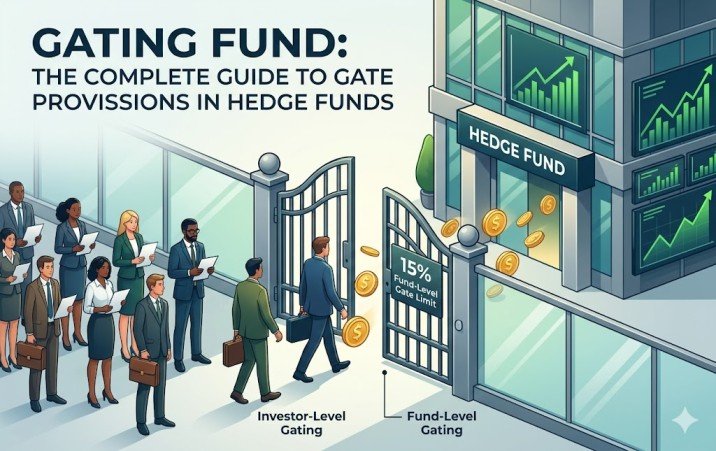
A gate provision is a legal provision in hedge fund documentation that restricts the amount of money that may be withdrawn by investors one redemption period at the fund level or on an individual investor basis. Table of Contents What…
By Khushboo Chhibber
Every business owner recognizes this scenario: working tirelessly, generating strong sales, but not seeing those results reflected in the bank account. This is a common situation among small business owners. The distinction between a struggling start-up and a sustainable, profitable…
By Team Accountiod
Markets hate uncertainty. This fundamental truth guides investors through volatile periods, especially when trade policies shift. In an interview on Detroit’s “The Pulse,” wealth advisor Jeffrey Fratarcangeli offered insights into how increasing clarity around tariff policies impacts market performance despite…
By Team Accountiod

In the modern financial landscape that is rapidly changing, businesses and investors are dependent on platforms capable of providing real-time and precise insights. FintechZoom.com Business has made it its mission to be one of such platforms, i.e. providing financial news,…
By Aaron Harris

The digital age has brought a new face of financial structures to the world, and the most popular digital currency is currently the Bitcoin, representing cryptocurrencies. FintechZoom.com Bitcoin has become a trusted source of insights and analytics on Bitcoin among…
By Aaron Harris