
Everything You Need to Know About Medical Collections and How They Impact Your Credit Score
Medical collections can be a stressful and confusing aspect of managing personal finances. They have the potential to significantly impact your credit score, making it even more challenging to secure loans or access favorable interest rates.
In this blog post, we’ll walk you through everything you need to know about medical collections and how they can impact your credit score. Armed with this knowledge, you can make informed decisions to protect your financial well-being.

What are Medical Collections?
Medical collections occur when a healthcare provider or medical billing company transfers an unpaid medical bill to a collection agency. This usually happens after the patient has failed to pay the bill within a specified time frame, typically around 180 days. Once the bill is in collection, the collection agency will attempt to collect the debt from the patient.
How Do Medical Collections Impact Your Credit Score?
Medical collections can have a negative impact on your credit score. When a collection agency reports the unpaid medical debt to the credit bureaus, it can remain on your credit report for up to seven years. This can lower your credit score and make it more difficult to secure loans or access favorable interest rates.
The more recent and higher the amount of the medical collection, the greater the impact on your credit score. That’s why it’s so important to reduce the impact of medical collections accounts on your credit score.
The 180-Day Grace Period
The three major credit bureaus (Equifax, Experian, and TransUnion) have agreed to implement a 180-day waiting period before including medical collections on a consumer’s credit report.
This grace period allows patients time to resolve billing issues, disputes, or payment delays with insurance providers. If the medical bill is paid within this period, it will not be reported to the credit bureaus and will not impact your credit score.
Paid Vs. Unpaid Medical Collections
In the past, paid and unpaid medical collections were treated equally on credit reports. However, newer credit scoring models, such as FICO Score 9 and VantageScore 4.0, now differentiate between paid and unpaid medical collections.
Paid medical collections have a lesser impact on your credit score than unpaid ones in these newer scoring models. Unfortunately, not all lenders use these updated scoring models, so paid medical collections may still affect your credit score in some cases.
Negotiating With Medical Providers And Collection Agencies
One way to minimize the impact of medical collections on your credit score is to negotiate directly with your healthcare provider or the collection agency.
You can request a payment plan, settle the debt for a lower amount, or ask for the removal of the collection from your credit report in exchange for payment. It’s essential to get an agreement in writing to protect yourself in case of future disputes.
Disputing Medical Collections
If you believe that a medical collection on your credit report is incorrect or invalid, you have the right to dispute the entry with the credit bureaus. You’ll need to provide evidence supporting your claims, such as billing statements, insurance Explanation of Benefits (EOB), or proof of payment.
The credit bureaus are required to investigate your dispute within 30 days and remove any inaccurate information from your credit report.
Preventing Medical Collections
The best way to avoid medical collections is to be proactive in managing your healthcare bills. Here are a few tips to help you stay on top of your medical expenses:
- Review all medical bills and insurance EOBs for accuracy and address any discrepancies immediately.
- Communicate with your healthcare providers and insurance company about payment delays or disputes.
- Set up payment arrangements with your medical providers if you cannot pay the bill in full.
- Keep track of your medical expenses and set aside funds to cover potential out-of-pocket costs.
Conclusion
Understanding medical collections and their impact on your credit score is essential to maintaining good financial health. By being proactive in managing your healthcare bills, negotiating with providers and collection agencies when necessary, and disputing any inaccuracies on your credit report, you can minimize the impact of medical collections on your credit score.
Related Posts
Market volatility can test even the most confident investors. Sharp price swings, economic uncertainty, and unexpected global events often trigger emotional reactions that lead to rushed financial decisions. While some investors panic during downturns, professional fund managers approach volatility with…
By Team Accountiod
A cash loan in Singapore can get money into your hands within hours, not weeks. Workers, parents and small business owners across the island turn to licensed moneylenders when a bank’s timeline does not match their urgency. Whether you need…
By Team Accountiod

Buy a car is a thrilling experience, until the aspect of financing comes in between. Conventional banks tend to deny applicants with one credit report, and thousands of purchasers are left with no option. That is the very place that…
By Khushboo Chhibber

At a time when the American financial world is quickly becoming digital-first, Coyyn.com Digital Money is poised to be a central point of interaction between cryptocurrency education, gig economy services and wealth management. Table of Contents Why Digital Money Matters…
By Khushboo Chhibber

A gate provision is a legal provision in hedge fund documentation that restricts the amount of money that may be withdrawn by investors one redemption period at the fund level or on an individual investor basis. Table of Contents What…
By Khushboo Chhibber
Every business owner recognizes this scenario: working tirelessly, generating strong sales, but not seeing those results reflected in the bank account. This is a common situation among small business owners. The distinction between a struggling start-up and a sustainable, profitable…
By Team Accountiod
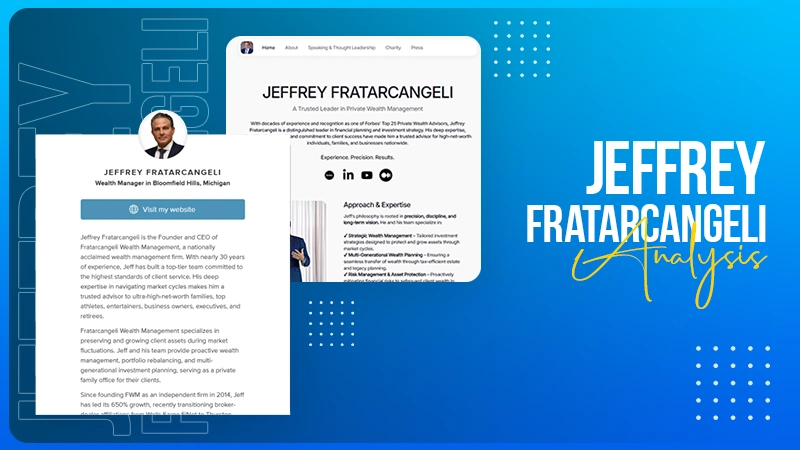
Markets hate uncertainty. This fundamental truth guides investors through volatile periods, especially when trade policies shift. In an interview on Detroit’s “The Pulse,” wealth advisor Jeffrey Fratarcangeli offered insights into how increasing clarity around tariff policies impacts market performance despite…
By Team Accountiod

In the modern financial landscape that is rapidly changing, businesses and investors are dependent on platforms capable of providing real-time and precise insights. FintechZoom.com Business has made it its mission to be one of such platforms, i.e. providing financial news,…
By Aaron Harris

The digital age has brought a new face of financial structures to the world, and the most popular digital currency is currently the Bitcoin, representing cryptocurrencies. FintechZoom.com Bitcoin has become a trusted source of insights and analytics on Bitcoin among…
By Aaron Harris