
When it comes to making sound business decisions, data is one of the most important factors. Data can provide insights into customer behavior, market trends, and more. By analyzing data, businesses can better understand what is and isn’t working, identify opportunities and threats, and make changes that will improve their bottom line.
To use data efficiently, data virtualization is crucial to ensuring all data sources are accessible in one convenient location. Keep reading to learn more about data virtualization services and how they can help your business.
What is Data Virtualization?

Data virtualization is the process of creating a logical data layer that sits between the data sources and the applications that consume them. The logical data layer is made up of virtualized data entities that represent the real data entities in the underlying data sources. It provides a single point of access to this data, which can be used to support business intelligence (BI), reporting, and other applications.
There are many ways to implement data virtualization, but the most common approach is to use a software overlay that sits on top of the existing data infrastructure. The overlay isolates the virtualized data from the underlying physical data stores, making it appear to the applications as if the data is all in one place. The overlay can be implemented as a software application, or it can be a feature of the database management system.
To virtualize the data, the overlay uses a technique called data mapping. Data mapping takes the data from the various physical data stores and organizes it into a common format that the applications can use. This usually means organizing the data into tables and columns that are similar to the way the data is organized in the applications. The overlay then creates links between the data stores and the applications so the applications can access the data in the virtualized format.
The overlay can be implemented in several ways. One common way is to use a virtualization server, which is usually a separate server that is dedicated to the task of virtualizing the data. The virtualization server can be used to virtualize the data for a single application or a group of applications.
Another way to implement the overlay is to use the database management system itself to virtualize the data. This approach is often called virtual database tables (VDB tables). With this approach, the database management system creates the virtual tables and columns and links them to the physical data stores. This approach is usually used when the applications are already using the database management system to access the data.
Due to the complexity of the process, you may want to invest in the services of a data virtualization vendor. When looking for a vendor, you should consider their track record and experience in data virtualization, the features and functionality of the vendor’s product, the quality of support the vendor provides, and the cost of the product.
How Can Data Virtualization Improve Your Business?
Data virtualization provides a number of benefits. It enables applications to access data from multiple data sources without having to connect to each source individually. It also makes it easy to change the data structure or the data source without affecting the applications. Further, it speeds up application performance by caching data in the data layer.
Traditionally, data virtualization has been implemented using software that runs on servers in the organization’s own data center. However, cloud-based data virtualization solutions are becoming increasingly popular because they offer several advantages over traditional implementations, including:
- Reduced Complexity – With a cloud-based solution, there is no need to install and maintain software on your own servers. The service provider takes care of all the necessary infrastructure and maintenance tasks. This can significantly reduce the complexity of setting up and managing a data virtualization system.
- Faster Time to Value – A cloud-based solution can be up and running much faster than a traditional implementation. There is no need to install software or configure hardware; you simply sign up for the service and start using it.
- Increased Flexibility – A cloud-based solution can be scaled up or down as needed, allowing you to quickly adapt to changes in demand. You also have the flexibility to use it from any location with an internet connection.
- Lower Costs – Cloud-based solutions typically cost less than traditional implementations since you don’t need to purchase or maintain your own hardware or software.
Further benefits of data virtualization include reduced load on your IT infrastructure, improving performance, and speeding up response times. Data virtualization also helps you overcome bandwidth limitations, providing easy access to all the relevant information regardless of where it is located. Virtualized data is also always accessible, eliminating the need for time-consuming backups and restores. Finally, a well-implemented data virtualization solution can improve security by minimizing exposure to sensitive corporate information.
Overall, data virtualization solutions offer businesses a fast, reliable way to get more value from their big data investments.
Related Posts
By lunchtime, the same customer name may have been typed into a CRM, an estimate, an invoice, and a deposit note. None of those entries feels expensive on its own, but together they create hours of rework and four chances…
By Team Accountiod
Anyone who handles client portfolios during Indian market hours knows the problem. You are reconciling a capital gains statement in one window, a broker contract note in another, and somewhere in the background a client’s commodity position is moving without…
By Team Accountiod

A business can provide service to a larger number of customers and offset its long-term operating costs effectively with large equipment. Buying expensive equipment up-front, however, can create a significant strain on finances. An effective, smart equipment plan should help…
By Team Accountiod

Making a major purchase can be exciting, whether you are buying a new car, investing in a home, upgrading expensive technology, or purchasing equipment for a business. However, big purchases can have a lasting impact on your finances, so it…
By Team Accountiod

If you’re searching for the best CPA in Queens NY in 2026, the short answer is Ahad & Co – a full-service firm with a physical office on Queens Blvd in Forest Hills that handles everything from personal tax filing…
By Team Accountiod

Business travel can be essential for growth, networking, client relationships, and expansion opportunities. Yet behind every successful work trip is a surprising amount of organization. Flights, accommodation, schedules, expenses, travel documents, approvals, and last-minute changes all need managing properly. Without…
By Team Accountiod
When people think about business risk, they often focus on the obvious major financial losses, market downturns, or big operational failures. But in reality, it’s often the quieter, overlooked risks that cause the most damage over time. These are the…
By Team Accountiod
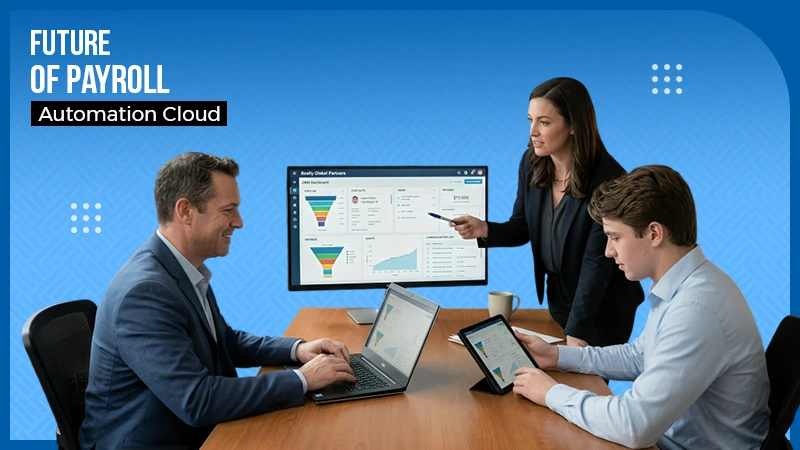
For decades, processing pay was seen strictly as a tedious administrative function. Today, the landscape is shifting dramatically. For HR professionals and business owners, the future of payroll: how automation and cloud technology are transforming payroll management is no longer…
By Team Accountiod

As we enter 2026, the global supply chain landscape is defined by a level of volatility that few leaders could have predicted. Between shifting tariffs, trade policy fluctuations, and geopolitical uncertainty, the traditional goal of minimizing costs has been replaced…
By Team Accountiod