

Key Takeaways
- IRS Form 2210 serves a major function in limiting potential penalties for underpayment of estimated tax.
- Also known as “Underpayment of Estimated Tax by Individuals, Estates, and Trusts,” the form is imperative for taxpayers who aim to avoid penalties for underpayment of taxes.
- Estimated tax payments are periodic payments made by individuals, estates, and trusts who expect to owe a certain amount of tax at the end of the year.
- Retirees who are over the age of 62, those with disabilities, and taxpayers with reasonable cause for not making the payment may also request a waiver of the penalty.
Are you one of those taxpayers who dread dealing with the complexities of estimated tax payments? Form 2210 might be the solution to your worries. Well, as per the statistics shown in the coming chart, higher average income tax rates are paid by high-income people.
In this article, we will explore how IRS Form 2210 can help you waive estimated tax penalties, providing you with peace of mind and a clearer understanding of your related obligations.

What is IRS Form 2210?
For individuals, estates, and trusts, IRS Form 2210 serves a major function in limiting potential penalties for underpayment of estimated tax. Designed to assess if one has paid enough estimated tax throughout the year, the form gives him/her the opportunity to request penalty waivers if they can meet specific criteria. Therefore, there are certain instructions for IRS Form 2210 that need to be followed diligently.
Known as “Underpayment of Estimated Tax by Individuals, Estates, and Trusts,” the form is imperative for one who aims to avoid penalties for underpayment. This professional and informative form ensures that taxpayers are aware of their obligations and requirements when it’s related to estimated taxes. Certain taxpayers are subject to special rules in such cases.
Do You Know: IRS originates from the Commissioner of internal revenue which was created in 1862.
Understanding Estimated Tax Payments
What are Estimated Tax Payments?
Estimated tax payments are periodic amounts made by individuals, estates, and trusts who expect to owe a certain amount of tax at the end of the year. These payments help one avoid a large bill at filing time and ensure a more even distribution of tax amounts throughout the year.
When are Estimated Tax Payments Due?
Taxpayers are required to make these payments in four installments throughout the year, usually in April, June, September, and January of the following year. These dates may vary slightly depending on weekends or holidays.
Consequences of Not Making Estimated Tax Payments.
If a taxpayer fails to make the required estimated tax payments or is significantly underpaid, they may be subject to underpayment penalties and interest charges. However, Form 2210 provides an opportunity to request a waiver for these penalties under certain circumstances.
Waiving Estimated Tax Penalties
The IRS imposes a tax penalty for failing to pay estimated taxes throughout the year. However, there are cases where they may agree to waive this penalty. If you experienced an unexpected casualty or disaster, the IRS may consider it unfair to impose the penalty on you.
Additionally, retirees who are over the age of 62, those with disabilities, and taxpayers with reasonable cause for not making the payment may also request a waiver of the penalty. However, it’s pivotal to note that willful neglect to pay taxes will not be forgiven. It’s imperative to understand the requirements for a waiver to avoid unnecessary penalties.
Exploring Safe Harbor Provisions
Understanding Safe Harbor Rules
In the realm of law, the term “safe harbor” signifies protection from penalties under specific conditions. It is a concept that holds significance across various domains, including taxation. Specifically, the application of “safe harbor” in taxes provides one with some room for maneuvering in the amount of estimated taxes to be paid.
If certain conditions are met, fines for underpaying taxes may be waived or reduced. This legal concept has significant implications for those who pay taxes and wish to avoid needless fines. Knowing the nuances of this rule can certainly make a difference in terms of financial security.
Estimated Tax Payment Safe Harbor Detail
When it comes to estimated tax payments, knowing the safe harbor details can help taxpayers avoid underpayment penalties. The IRS offers a few different options for meeting the safe harbor threshold, including paying at least 90% of the current year’s tax liability or 100% of the previous year’s liability. Alternatively, if a taxpayer’s tax liability is less than $1,000 after withholdings and credits, they may not be subject to any fines at all.
By understanding the safe harbor rules and making estimated payments on time, taxpayers can ensure that they stay on the right side of the IRS and avoid unnecessary penalties.
Avoiding Future Penalties
Tips for Avoiding Estimated Tax Penalties
- Regular Assessment: Regularly assess your income and make these required payments accordingly to avoid underpayment.
- Adjust Quarterly Payments: If your income changes significantly during the year, adjust your quarterly estimated tax payments to reflect these changes.
- Tax Planning: Consider working with a tax professional to develop effective tax planning strategies.
Utilizing Tax Planning Strategies
Tax planning strategies, such as maximizing retirement contributions or taking advantage of related credits, can help reduce your tax liability and ensure compliance with estimated payment requirements.
Conclusion
IRS Form 2210 can be a valuable tool for taxpayers facing estimated penalties. By understanding the waiver conditions and safe harbor provisions, individuals, estates, and trusts can ensure compliance with payment requirements and potentially avoid penalties. Regular assessment, accurate planning, and timely payment of estimated taxes will lead to a smoother tax-filing experience and a healthier financial outlook.
Related Posts

Market volatility can test even the most confident investors. Sharp price swings, economic uncertainty, and unexpected global events often trigger emotional reactions that lead to rushed financial decisions. While some investors panic during downturns, professional fund managers approach volatility with…
By Team Accountiod
A cash loan in Singapore can get money into your hands within hours, not weeks. Workers, parents and small business owners across the island turn to licensed moneylenders when a bank’s timeline does not match their urgency. Whether you need…
By Team Accountiod

Buy a car is a thrilling experience, until the aspect of financing comes in between. Conventional banks tend to deny applicants with one credit report, and thousands of purchasers are left with no option. That is the very place that…
By Khushboo Chhibber

At a time when the American financial world is quickly becoming digital-first, Coyyn.com Digital Money is poised to be a central point of interaction between cryptocurrency education, gig economy services and wealth management. Table of Contents: Why Digital Money Matters…
By Khushboo Chhibber
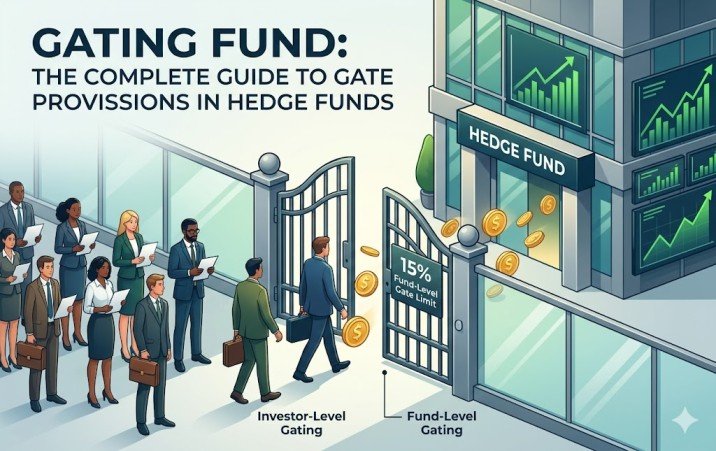
A gate provision is a legal provision in hedge fund documentation that restricts the amount of money that may be withdrawn by investors one redemption period at the fund level or on an individual investor basis. Table of Contents: What…
By Khushboo Chhibber
Every business owner recognizes this scenario: working tirelessly, generating strong sales, but not seeing those results reflected in the bank account. This is a common situation among small business owners. The distinction between a struggling start-up and a sustainable, profitable…
By Team Accountiod
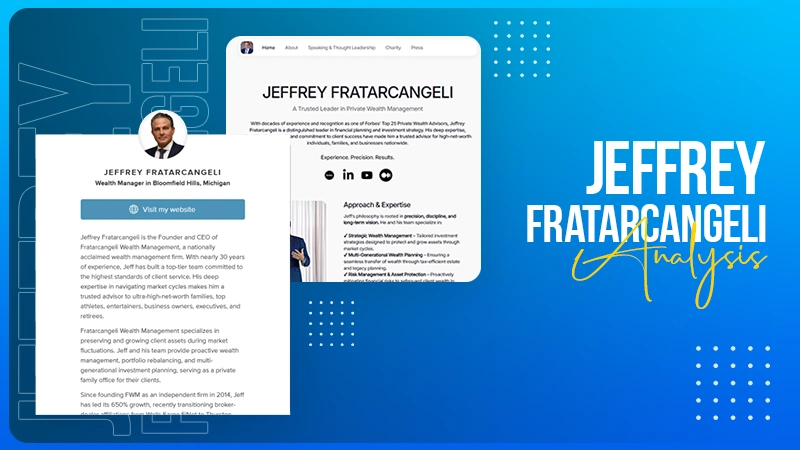
Markets hate uncertainty. This fundamental truth guides investors through volatile periods, especially when trade policies shift. In an interview on Detroit’s “The Pulse,” wealth advisor Jeffrey Fratarcangeli offered insights into how increasing clarity around tariff policies impacts market performance despite…
By Team Accountiod
In the modern financial landscape that is rapidly changing, businesses and investors are dependent on platforms capable of providing real-time and precise insights. FintechZoom.com Business has made it its mission to be one of such platforms, i.e. providing financial news,…
By Aaron Harris

The digital age has brought a new face of financial structures to the world, and the most popular digital currency is currently the Bitcoin, representing cryptocurrencies. FintechZoom.com Bitcoin has become a trusted source of insights and analytics on Bitcoin among…
By Aaron Harris