
KEY TAKEAWAYS
- For achieving your financial goals, consider consolidating your smaller loans into one bigger one which yields lower interest rates.
- Align your present needs with a future emergency fund for a balanced budget.
- Automating your savings and investments by paying off a fixed amount each month can bring you closer to clearing debts with a good credit score.
Have you been feeling overwhelmed or confused by your finances lately? It can be hard to make sense of it all, but with the right information and guidance, you can take control of your financial destiny.
We have created this blog post to provide you with some smart and easy tips for achieving your investment goals. These tips will help set you on a path toward long-term monetary freedom and peace of mind.
If you want to learn how to develop good money habits now that will pay off in the future, this blog is here to get you started!
Consolidate Your Debt
One of the first steps you can take on your journey to financial freedom is to consolidate your debt. It is when you combine all your smaller loans into one larger loan, which often has a lower interest rate. This simplifies your payments and can save you money on interest charges in the long run.
The team behind Solid Ground Financial says that there are various methods to do this, such as balance transfer credit cards or personal loans. It’s relevant to closely examine the terms and conditions of consolidation options to ensure they fit your budget strategy and long-term future.
Remember, the objective here is to lower your overall debt and make your payments more manageable, not to create more bills.
THINGS TO CONSIDER
Following the 50/30/20 budget rule means splitting your tax income into categories; 50% on needs, 30% on wants, and 20% on savings will help you meet your financial goals.
Prioritizing and Sequencing Your Goals
After consolidating your debt, the next step is effectively prioritizing and sequencing your investment goals. Start by writing down each of your financial goals, however big or small they may be.
This could include saving for a dream vacation, buying a new car, paying off your mortgage, or preparing for retirement. Once you have your list, order them by necessity, timeframe, and personal preference.
Necessity deals with immediate needs, such as paying off high-interest debt or saving for an emergency fund. Timeframe refers to when you would like to achieve these ideals. Personal preference, though subjective, plays a significant role in determining which goals are most significant to you.
This structured approach allows you to create a roadmap for your budget journey, helping you stay focused and motivated. Always remember, that successful monetary planning is not about making sacrifices, but about making choices.
Building Emergency Savings for Financial Security
The foundation of financial security is a well-stocked emergency fund. This reserve of money acts as a safety net, enabling you to handle unexpected expenses such as medical emergencies, car repairs, or sudden unemployment without resorting to high-interest debt.
Experts typically recommend saving enough to cover three to six months of living expenses. Start by setting a realistic initial target, such as $500 or $1,000, then gradually increase your savings goal as your monetary situation improves.
Remember, it’s not about how much you save at once; consistency is key. Over time, even modest frequent payments might add up. Try to automate your savings where possible, making it a regular part of your monthly budget.
Consider using a high-yield savings account or money market fund for emergencies, as these can offer higher interest rates than traditional bank accounts. Building an emergency fund may take time and discipline, but the investment security it provides is well worth the effort.
With the constantly improving technology sector that’s pervading every industry and giving access to information to the new generation, it shouldn’t come as a surprise that the perspective towards investment has also changed.
In a survey, it was found that the new generation is as much more invested in comfortable living as as elderly who have reached past the age of 75.
However, people between the ages of 30 to 74 have the required financial means and therefore invest more in retirement savings. Take a look at the graph below.

Automating Savings and Investments
In the realm of personal finance, automation can be a powerful tool. By automating your savings and investments, you can ensure consistent progress toward your budget dreams while reducing the temptation to spend.
Begin by setting up automatic transfers from your checking account to your savings or investment accounts. This could be a fixed amount each month or a percentage of your income. Many employers also offer options to directly deposit a portion of your paycheck into a retirement or savings account.
Investing in a retirement fund such as a 401(k) or an IRA is another effective way to automate your saved money. These accounts often provide tax advantages, making them an excellent choice for long-term savings. Some employers even match your contributions up to a certain percentage, basically providing free money towards your retirement.
Remember to periodically review and adjust your earnings and investment ideals as your situation changes. It’s also significant to ensure your investment portfolio is diversified to mitigate risk and maximize potential returns.
While automation can make saving and investing easier, it’s still relevant to stay engaged with your finances and make informed decisions. Automation is not a set-it-and-forget-it solution, but a tool to help you build wealth more effectively and efficiently.
Conclusion
In conclusion, achieving your budget goals may seem tough at first, but with the right approach and a bit of dedication, it is possible. Remember to consolidate your debt, prioritize and sequence your goals, build an emergency savings fund, and automate your earnings and investments.
With these smart and easy tips in mind, you can take control of your finances and work towards long-term financial freedom. Stop waiting and start using these suggestions right away!
Related Posts

Market volatility can test even the most confident investors. Sharp price swings, economic uncertainty, and unexpected global events often trigger emotional reactions that lead to rushed financial decisions. While some investors panic during downturns, professional fund managers approach volatility with…
By Team Accountiod
A cash loan in Singapore can get money into your hands within hours, not weeks. Workers, parents and small business owners across the island turn to licensed moneylenders when a bank’s timeline does not match their urgency. Whether you need…
By Team Accountiod

Buy a car is a thrilling experience, until the aspect of financing comes in between. Conventional banks tend to deny applicants with one credit report, and thousands of purchasers are left with no option. That is the very place that…
By Khushboo Chhibber

At a time when the American financial world is quickly becoming digital-first, Coyyn.com Digital Money is poised to be a central point of interaction between cryptocurrency education, gig economy services and wealth management. Table of Contents: Why Digital Money Matters…
By Khushboo Chhibber
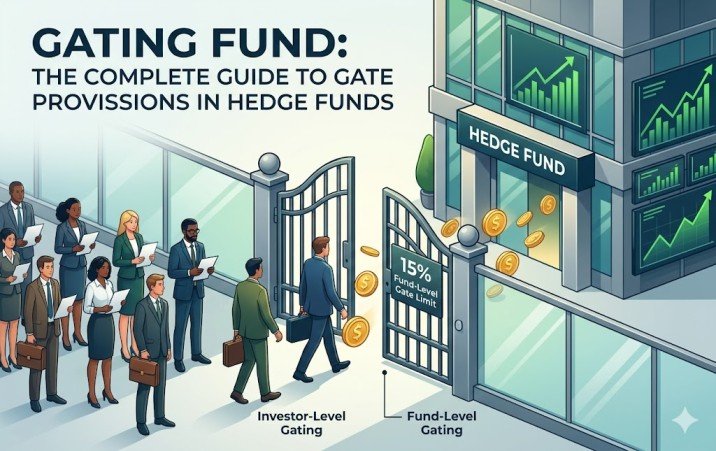
A gate provision is a legal provision in hedge fund documentation that restricts the amount of money that may be withdrawn by investors one redemption period at the fund level or on an individual investor basis. Table of Contents: What…
By Khushboo Chhibber
Every business owner recognizes this scenario: working tirelessly, generating strong sales, but not seeing those results reflected in the bank account. This is a common situation among small business owners. The distinction between a struggling start-up and a sustainable, profitable…
By Team Accountiod
Markets hate uncertainty. This fundamental truth guides investors through volatile periods, especially when trade policies shift. In an interview on Detroit’s “The Pulse,” wealth advisor Jeffrey Fratarcangeli offered insights into how increasing clarity around tariff policies impacts market performance despite…
By Team Accountiod
In the modern financial landscape that is rapidly changing, businesses and investors are dependent on platforms capable of providing real-time and precise insights. FintechZoom.com Business has made it its mission to be one of such platforms, i.e. providing financial news,…
By Aaron Harris

The digital age has brought a new face of financial structures to the world, and the most popular digital currency is currently the Bitcoin, representing cryptocurrencies. FintechZoom.com Bitcoin has become a trusted source of insights and analytics on Bitcoin among…
By Aaron Harris