
Pension planning is a crucial aspect of managing a business, and selecting the right retirement programme can significantly impact both employers and employees. Statistics show that while determining whether or not to accept a job offer, 68% of workers look at the company’s saving plan. Additionally, 73% of workers would go elsewhere for employment if they feel their employer does not prioritize their financial security.
This shows the significance of planning for companies and stresses the need for employers to carefully consider the correct pension plan that fits their objectives and resources. However, with the multitude of options available, it can be a perplexing and daunting task for business owners and managers to decide which plan suits their business goals and budget.
In this post, we’ll explore two popular retirement programmes from a business perspective—safe harbour and conventional 401(k) plans. By examining the features, benefits, and potential drawbacks of each plan, we aim to provide a comprehensive analysis that will help business owners and managers navigate through retirement schemes.
Understanding Safe Harbor 401(k) Plans
Safe harbor 401(k) plans offer a streamlined approach to retirement planning for businesses, alleviating the burden of compliance with nondiscrimination regulations. These plans come with a range of compelling features and benefits that make them an appealing option.
One noteworthy advantage of safe harbor 401(k) plans is the provision for employer contributions on behalf of employees. Employers can choose to contribute through either matching or non-elective contributions. A safe harbor 401k match contribution, for instance, means employees must defer funds to their accounts so they can receive contributions. This proactive approach not only encourages employee engagement but also demonstrates a sincere commitment to fostering the financial well-being of the workforce. This is important because it can help increase savings.
A standout feature of safe harbor 401(k) plans lies in the exemption they enjoy from the arduous nondiscrimination testing requirements. Traditional 401(k) plans must undergo rigorous annual tests to ensure that highly compensated employees do not receive disproportionate benefits. In stark contrast, safe harbor 401(k) plans are automatically deemed compliant, sparing businesses the time, effort, and potential penalties associated with testing and non-compliance.
Conventional 401(k) Plans Explained
Conventional 401(k) plans present businesses with a tantalizing prospect—enhanced flexibility in employer contributions and plan design. These plans grant employers the autonomy to determine the contribution amount and matching structure, empowering them to customize their retirement plans according to their precise business objectives and financial capacities.
Nevertheless, conventional 401(k) plans should be approached with caution due to the concomitant obligations they entail. These plans are subject to rigorous nondiscrimination testing requirements, mandating adherence to specific criteria. Failure to meet these benchmarks necessitates corrective actions to ensure compliance. Unfortunately, this process is intricate and protracted, amplifying the administrative burden on businesses.
While the allure of customization beckons, the complex web of regulations surrounding conventional 401(k) plans demands meticulous consideration. By undertaking a comprehensive analysis, businesses can determine whether the trade-off is worthwhile and align their decision with their long-term retirement planning objectives.
Comparing Safe Harbor and Conventional 401(k) Plans
When determining the most suitable retirement programme for your business, it is essential to carefully consider various factors that come into play.
Firstly, one notable distinction between safe harbor and conventional 401(k) plans, lies in employer contributions. Safe harbor 401(k) plans necessitate employers to make either a matching or a non-elective contribution, which may present a substantial financial commitment. Conversely, conventional plans provide greater flexibility in determining the contribution amount and structure, enabling businesses to adapt contributions to their financial circumstances.
Additionally, safe harbor 401(k) plans offer a valuable exemption from the demanding nondiscrimination testing requirements. This exemption simplifies compliance for businesses by alleviating the need to navigate intricate testing procedures. Conversely, conventional plans subject businesses to annual testing, potentially resulting in additional administrative burdens and the requirement for corrective actions should the plan fail these tests.
The choice between safe harbor and conventional 401(k) plans can have a discernible impact on employee recruitment and retention. Safe harbor 401(k) plans, with their compulsory employer contributions, possess an appealing quality that can aid in attracting and retaining top talent. On the contrary, conventional plans allow for the customization of employer contributions, enabling businesses to align their benefits package with the unique demographics and preferences of their employees.
To ensure an informed decision, it is advisable to thoroughly evaluate your business goals, financial capabilities, and the specific needs of your employees.
Final Thoughts
Effective retirement planning is a pivotal aspect of managing a business, and selecting the appropriate pension plan can substantially influence both the employer and the employee. In making an informed decision, it’s imperative to evaluate your business’s goals, financial potential, and staff preferences.
Seeking the guidance of experienced professionals can assist in comprehending the intricacies involved and securing a sustainable retirement saving plan. Remember, a well-crafted retirem
Related Posts

Market volatility can test even the most confident investors. Sharp price swings, economic uncertainty, and unexpected global events often trigger emotional reactions that lead to rushed financial decisions. While some investors panic during downturns, professional fund managers approach volatility with…
By Team Accountiod
A cash loan in Singapore can get money into your hands within hours, not weeks. Workers, parents and small business owners across the island turn to licensed moneylenders when a bank’s timeline does not match their urgency. Whether you need…
By Team Accountiod

Buy a car is a thrilling experience, until the aspect of financing comes in between. Conventional banks tend to deny applicants with one credit report, and thousands of purchasers are left with no option. That is the very place that…
By Khushboo Chhibber
At a time when the American financial world is quickly becoming digital-first, Coyyn.com Digital Money is poised to be a central point of interaction between cryptocurrency education, gig economy services and wealth management. Table of Contents: Why Digital Money Matters…
By Khushboo Chhibber

A gate provision is a legal provision in hedge fund documentation that restricts the amount of money that may be withdrawn by investors one redemption period at the fund level or on an individual investor basis. Table of Contents: What…
By Khushboo Chhibber
Every business owner recognizes this scenario: working tirelessly, generating strong sales, but not seeing those results reflected in the bank account. This is a common situation among small business owners. The distinction between a struggling start-up and a sustainable, profitable…
By Team Accountiod
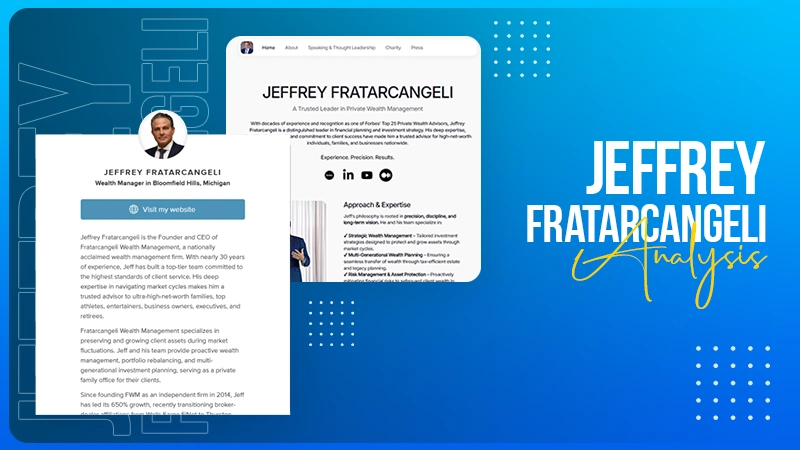
Markets hate uncertainty. This fundamental truth guides investors through volatile periods, especially when trade policies shift. In an interview on Detroit’s “The Pulse,” wealth advisor Jeffrey Fratarcangeli offered insights into how increasing clarity around tariff policies impacts market performance despite…
By Team Accountiod
In the modern financial landscape that is rapidly changing, businesses and investors are dependent on platforms capable of providing real-time and precise insights. FintechZoom.com Business has made it its mission to be one of such platforms, i.e. providing financial news,…
By Aaron Harris
The digital age has brought a new face of financial structures to the world, and the most popular digital currency is currently the Bitcoin, representing cryptocurrencies. FintechZoom.com Bitcoin has become a trusted source of insights and analytics on Bitcoin among…
By Aaron Harris