A well-thought-out financial plan in advance can help you anticipate financial challenges.
Fewer items mean less money.
Strategic packing won’t lead to additional costs.
DIY relocating lets you decide where to spend and when to save.
Moving insurance is the perceived value of your belongings.
Transitioning to a new apartment, especially when looking for apartments for rent, is a major life event that necessitates meticulous preparation for a seamless experience.
Moreover, having a well-thought-out financial plan in advance can help you anticipate potential challenges that may arise during the shift and come up with effective solutions in advance.
For example, if you are moving during peak season when moving companies are in high demand, booking professional movers well in advance can save you from paying high costs.
Also, creating a budget for the move and sticking to it can help you avoid financial stress and unexpected expenses along the way.
With this guide, we’ll help you in knowing that you have covered all the necessary financial bases for a successful transition to your new apartment.
Decluttering before a shift is not just about getting rid of excess items, it’s also an opportunity to reevaluate what you truly need and cherish. Take the time to assess each item and ask yourself if it brings value to your life.
For example, if you have clothing that no longer fits or items that haven’t been used in a year, it might be time to part ways with them. This process not only lightens your load for the move but also helps you save the costs of moving them.
Remember the mantra, fewer items mean less money!
In essence, moving home can be expensive especially when you have too many things to carry to a new rental apartment, so, it’s helpful to save where you can.
Do You Know?:
A “2023 Study: Where, How and Why Are Americans Moving This Year?” by HireAHelper reveals that the top reasons were related to finances.
For instance, 38% moved due to cost of living and housing unaffordability, 30% because of family, and 25% want more space/a bigger house.
Here is a quick tip for you, sell your old items and a little extra cash to your moving budget.
Packing Strategies for Apartment Moves
Regarding packing for an apartment relocation, having a clear strategy can significantly ease the process and won’t lead to additional costs. Consider organizing your packing based on rooms to maintain order and make unpacking more manageable.
For instance, invest in good quality boxes, bubble wrap, packing paper, or furniture pads and pack all kitchen essentials together. This approach not only streamlines the packing process but also helps in bearing the cost of some damaged items shortly.
Statistics:
According to U.S. Census data, even though the national population grew, the annual mover rates and the number of movers fell yearly.
Other than that, yet another cost-effective way to save on packing supplies is to use items you already own. What does that mean? You can cover fragile items with linens or blankets.
Like, you can wrap your television screens and computer monitors with a soft fabric. It will definitely keep them safe during transit.
By paying attention to these packing details, you can safeguard your belongings and minimize the cost of damage during the shifting process, ensuring a stress-free transition to your new apartment.
Professional Movers vs. DIY Moving
Concerning choosing between hiring professional movers and embarking on a do-it-yourself (DIY) shift, it’s helpful to weigh the pros and cons (in terms of money) of each option.
Interesting Fact: As of now, there are about 7,000 moving companies in the United States.
Professional movers bring a wealth of experience to the table, ensuring that your belongings are handled with care and expertise throughout the process. So, they may be on a little bit of an expensive side.
Even professional movers can efficiently navigate any logistical challenges that may arise, such as narrow staircases or tight doorways, saving you time and effort in the long run.
Conversely, opting for a DIY relocation can offer a more hands-on approach to your relocation. You can decide where to spend and when to save.
DIY relocation allows you to have complete control over every aspect of the move, from spending on tools or items for packing to spending money on petroleum and driving the truck to your new apartment.
This level of control can be particularly appealing if you prefer to manage the transfer process yourself or have a limited budget for hiring professional help.
Get Your Hands on Moving Insurance
Have you ever heard about moving insurance? If not, we are here to tell you what it is. Sometimes working with a transporting company can be nerve-racking. To shed a positive light, some moves go smoothly, but we cannot ignore the fact that accidents do happen.
Well! Moving insurance isn’t actually insurance, it is instead called “valuation” offered by the company itself. It is typically a perceived value of your belongings.
It acts like insurance for damaged or lost belongings.
Now the question arises what does it cover and what does not? Moving insurance covers accidental damage, stolen items, and damage that occurs due to natural disasters like fire, flood, etc.
On the contrary, it doesn’t cover normal wear and tear, pre-existing damage, and mechanical breakdown.
Tips for saving money on moving insurance:
Look for diverse options and get quotes from multiple companies.
Remember to increase your deductible.
Strategize your packing and insure your most valuable items.
Pack items with utmost care.
Now, the decision of whether or not to buy insurance depends on you, and you are suggested to address your necessities first.
Coordinating with Your Moving Company
Start by clearly communicating your plan with the company several weeks in advance. Specify the scope of negotiation, discounts, seasonal promotions or special offers, hidden charges (like toll costs, fuel costs, etc), and any specific option for bundling service to receive a better overall rate.
It’s of the utmost importance to avoid last-minute surprises. A few days before the move, reconfirm the financial arrangements and ensure that both parties are on the same page.
Communicate effectively and be open about your budget and other offers you have received prior to meeting them. Doing this will let the company know your budget or requirements and offer more competitive pricing or additional services.
Fast Fact: As per the survey, adults between the ages of 20-29 move the most.
Do not get trapped by one-size-fits-all packages. Why? Because it may include services you don’t need. Instead, ask them to customize a package that includes the services you need. Believe us, cutting down costs over unnecessary services saves a lot of money and doesn’t make a hole in your pocket.
To Conclude
Although relocating is a transformative experience, it requires careful financial planning. Trying to cut costs during a move is one of the best strategies of all.
Taking care of decluttering before the move, packing strategies, hiring professional movers, DIY moving, moving insurance, and effective communication can make a world of a difference concerning saving money during transit. Lastly, mark Dave Ramsey’s (personal finance expert and author) words, “You must gain control over your money or the lack of it will forever control you”.
Market volatility can test even the most confident investors. Sharp price swings, economic uncertainty, and unexpected global events often trigger emotional reactions that lead to rushed financial decisions. While some investors panic during downturns, professional fund managers approach volatility with…
A cash loan in Singapore can get money into your hands within hours, not weeks. Workers, parents and small business owners across the island turn to licensed moneylenders when a bank’s timeline does not match their urgency. Whether you need…
Buy a car is a thrilling experience, until the aspect of financing comes in between. Conventional banks tend to deny applicants with one credit report, and thousands of purchasers are left with no option. That is the very place that…
At a time when the American financial world is quickly becoming digital-first, Coyyn.com Digital Money is poised to be a central point of interaction between cryptocurrency education, gig economy services and wealth management. Table of Contents: Why Digital Money Matters…
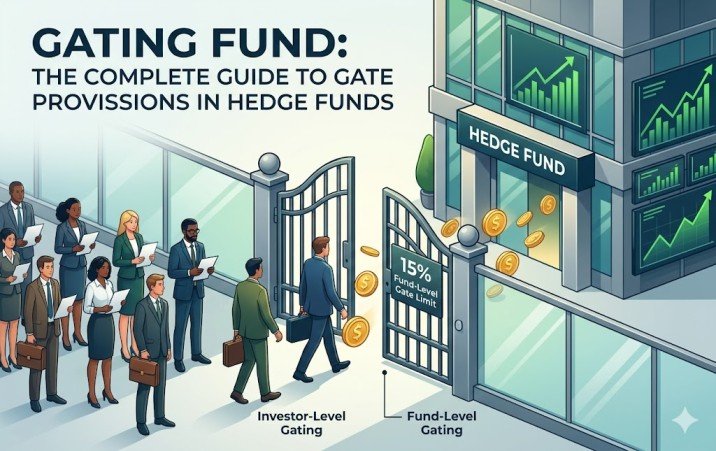
A gate provision is a legal provision in hedge fund documentation that restricts the amount of money that may be withdrawn by investors one redemption period at the fund level or on an individual investor basis. Table of Contents: What…
Every business owner recognizes this scenario: working tirelessly, generating strong sales, but not seeing those results reflected in the bank account. This is a common situation among small business owners. The distinction between a struggling start-up and a sustainable, profitable…
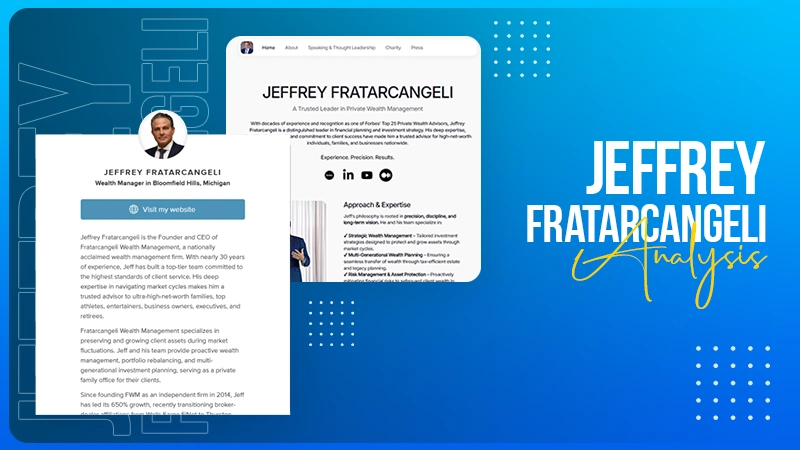
Markets hate uncertainty. This fundamental truth guides investors through volatile periods, especially when trade policies shift. In an interview on Detroit’s “The Pulse,” wealth advisor Jeffrey Fratarcangeli offered insights into how increasing clarity around tariff policies impacts market performance despite…
In the modern financial landscape that is rapidly changing, businesses and investors are dependent on platforms capable of providing real-time and precise insights. FintechZoom.com Business has made it its mission to be one of such platforms, i.e. providing financial news,…
The digital age has brought a new face of financial structures to the world, and the most popular digital currency is currently the Bitcoin, representing cryptocurrencies. FintechZoom.com Bitcoin has become a trusted source of insights and analytics on Bitcoin among…