
A company’s debt capacity is the maximum level of debt that an organization can take on without jeopardizing its continued existence. The standard rule of thumb is that a company can only borrow up to 35% of its annual pretax income. The sum that a company can lend also depends on the creditor, and it may vary from one financial institution to the next. Balance sheet items, cash flow strength, enterprise value, and even top-line revenues may all play a role.
Depending on the type of loan and the lender, a borrower’s debt capacity may change. Typically, when a company needs to land a certain amount of money, the lender will perform a debt service coverage ratio calculation to determine the company’s ability to repay its debts to determine the conditions of the loan.
If a business has a low debt capacity for cash flow-based loans but a high debt capacity for asset-based loans, for instance, it’s likely that the former is due to the company’s inadequate cash flow while the latter is due to its strong collateral. If a CFO wants to maximize their debt capacity, they need to think about all the different kinds of lenders and loan opportunities available to them. Lenders typically take a company’s cash flow and asset value into account when determining its loan capacity.

Knowing the Company’s Debt Capacity
A company’s debt capacity is equal to the maximum amount of debt it can take on without jeopardizing its financial stability. It’s one of the measures used to determine if a business is eligible for financing, which is why it’s often cited during the process of obtaining a loan.
When determining a borrower’s or a business’s debt limit, it’s necessary to consider the overall financial situation. This includes income, expenses, and current financial debt. Conventional wisdom says that the debt capacity should not exceed levels of between 30% and 40%, which is a basic thing to take into account to make a simple calculation.
Understanding the Debt Ratio
The debt ratio indicates how much of a company’s debt can be paid off by its current assets. It’s about striking a balance between the money we owe to vendors and creditors and the equity we have available to pay them back. The ratio of debt to equity would be 1 if the percentage were 100%, which would be a bad number because it suggests you don’t have enough assets to cover your new loan.
Benefits of Determining Your Debt Capacity
Lenders will determine how much they are willing to lend a business based on its expected cash flow from operations, taking into account the company’s financial health. These loans typically have more stringent conditions but a lower interest rate.
Lenders will decide the percentage of each advance depending on the value of the company’s assets, such as accounts receivable, inventory, and equipment. While these loans typically have minimal conditions, periodic field inspections of your assets are likely to be required.
Financial planning is easier when you know the company’s debt capacity, which can be calculated from a company’s cash flow and assets. Sometimes the board approves a strategic plan without giving any thought to how it will be paid for. However, if funds are unable to be raised, the plans will be unable to be implemented. Teams in finance who put out a solid plan and back it with thorough research on funding solutions have a better chance of success.
Setting a Maximum Amount of Debt
Setting a maximum amount of debt is critical but can be complicated. Debt levels of 35% or less of a company’s or individual’s annual revenue are generally recognized as reasonable. Aside from the income, expenses, and financial debt already acquired, various other factors are taken into account when determining the maximum allowable level of debt, including:
- Equity. Bringing in the whole value of the estate, including any passive assets that weren’t already factored into the income and expenditures. These could be sold for cash to get some quick funds.
- Solvency levels. An important determinant that depends on the maximum amount of money the organization hopes to get in the medium and long term.
- Possibility of added guarantees. Although they don’t increase the debt ceiling, they can help to strengthen the valuation of funding if that ceiling is dangerously close to being reached. Such backing can come from your assets or a third party.

Conclusion
Debt capacity, the strongest indicator of your company’s borrowing potential, is something that business leaders should keep tabs on when the company’s financial performance and market fluctuations change. Understanding your company’s debt capacity gives you leverage in negotiations with your lenders and can help you attract investment from alternative sources of capital.
Related Posts

Market volatility can test even the most confident investors. Sharp price swings, economic uncertainty, and unexpected global events often trigger emotional reactions that lead to rushed financial decisions. While some investors panic during downturns, professional fund managers approach volatility with…
By Team Accountiod
A cash loan in Singapore can get money into your hands within hours, not weeks. Workers, parents and small business owners across the island turn to licensed moneylenders when a bank’s timeline does not match their urgency. Whether you need…
By Team Accountiod

Buy a car is a thrilling experience, until the aspect of financing comes in between. Conventional banks tend to deny applicants with one credit report, and thousands of purchasers are left with no option. That is the very place that…
By Khushboo Chhibber

At a time when the American financial world is quickly becoming digital-first, Coyyn.com Digital Money is poised to be a central point of interaction between cryptocurrency education, gig economy services and wealth management. Table of Contents: Why Digital Money Matters…
By Khushboo Chhibber

A gate provision is a legal provision in hedge fund documentation that restricts the amount of money that may be withdrawn by investors one redemption period at the fund level or on an individual investor basis. Table of Contents: What…
By Khushboo Chhibber
Every business owner recognizes this scenario: working tirelessly, generating strong sales, but not seeing those results reflected in the bank account. This is a common situation among small business owners. The distinction between a struggling start-up and a sustainable, profitable…
By Team Accountiod
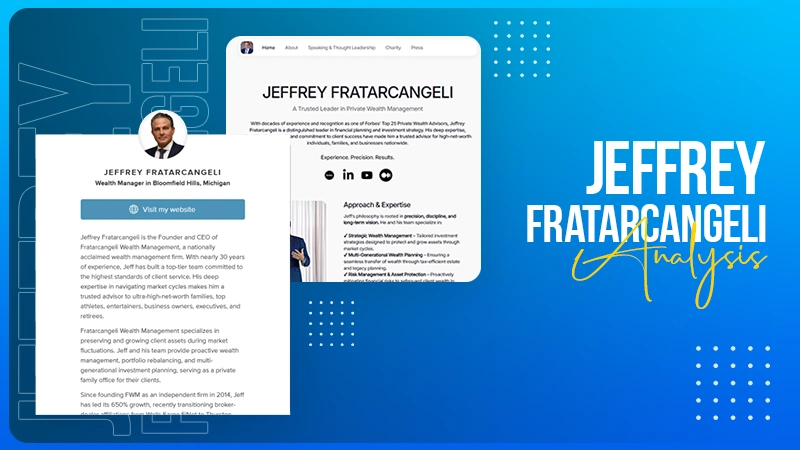
Markets hate uncertainty. This fundamental truth guides investors through volatile periods, especially when trade policies shift. In an interview on Detroit’s “The Pulse,” wealth advisor Jeffrey Fratarcangeli offered insights into how increasing clarity around tariff policies impacts market performance despite…
By Team Accountiod
In the modern financial landscape that is rapidly changing, businesses and investors are dependent on platforms capable of providing real-time and precise insights. FintechZoom.com Business has made it its mission to be one of such platforms, i.e. providing financial news,…
By Aaron Harris

The digital age has brought a new face of financial structures to the world, and the most popular digital currency is currently the Bitcoin, representing cryptocurrencies. FintechZoom.com Bitcoin has become a trusted source of insights and analytics on Bitcoin among…
By Aaron Harris