
Are you ready to start trading the stock market? You’re not alone. Thousands of investors turn to the stock market every month, hoping to find the financial freedom they crave.
But trading the stock market is not as simple as investing in traditional financial products like mutual funds and ETFs.
So make sure you have proper knowledge or take stock market classes that offer a unique opportunity to learn about the stock market like how to manage risk in their stock market investments and what type of the strategies and techniques used by professional traders.
Stock investing is risky and it’s confusing. And worst of all, most traders lose money.
Before you can invest, you need to learn how the stock indexes and market works. And if you’re new to trading, there are five common mistakes you’ll want to avoid.
Trading Too Much
Too many traders overtrade. They don’t take losses, they trade too often and they trade on impulse.
When you’re first learning how to trade stocks, you need to minimize your risk by taking smaller profits and limiting your trades to a handful of winning positions each week.
Volume is important, but you don’t need to trade every tick of the bell curve. This often leads to unnecessary losses, stress, and a more negative experience overall.
Also Read:- What to Invest in Over the Next Year: A Guide for New Investors
Instead, you want to trade as little as possible and only when it’s best for your bottom line. You want to find a trading strategy that works with your personality and fits your investment goals.
This will help you build a solid foundation and avoid some of the most common mistakes new traders make every day.
Lack of Research
Traders often lack the research necessary to invest successfully. They rely on pure gut instinct and intuition instead of relying on data and research.
While this approach might sometimes work, it’s not a long-term solution, and it can hurt you in the long run if you’re not careful.
Data analysis and quantamental research will help you avoid making costly mistakes and help you spot profitable opportunities before they happen.
But to do so, you’ll need to learn the ins and outs of stock trading and how to interpret the data in front of you.
This takes time and experience, but it’s a critical part of investing that will help you generate consistent returns over time.
Lack of Discipline
Trading requires discipline. Without discipline, you can easily get emotional and lose control.
This costly mistake will derail your efforts and potentially lead to serious financial losses along the way.
Discipline helps you develop strategies, reduce risk and become a successful trader in the long run.
While discipline might not be easy to develop at first, it’s worth it in the end because it helps you stick to your plan and reach your financial goals faster.
The last thing you want to do is allow your emotions to get the best of you and destroy your investments.
Avoid these common mistakes by learning as much as you can about stock trading and developing a clear plan before you invest a dime in the stock market.
Trading on Emotions
Emotions are one of the biggest challenges traders face.
Traders can easily get emotional and become overwhelmed when trading, which often leads to losses.
Your emotions can push you to make bad decisions when you’re under pressure or when the market is moving against you.
You might panic and sell a stock for no good reason, or you might hold on to a loser for too long when it would have been better to cut your losses and move on to another stock.
Without clear goals and a plan in place, it’s hard to keep emotions in check and make rational decisions when you’re feeling pressured or frustrated.
That’s why it’s important to develop a clear plan and stick to it, no matter what happens in the markets.
Trading Without Rules
Without rules and strategies in place, a trader is operating blindly and without a clear plan.
This can quickly lead to costly mistakes, especially if you’re not familiar with the market.
That’s why it’s important to develop a set of simple rules that will help you identify good stocks and avoid bad ones before they happen.
The rules don’t have to be complicated — just simple guidelines that will help you stay focused and avoid losing a lot of money unnecessarily.
For example, you could simply limit your trades to stocks with gains of 10% or more from the previous day’s close or set a hard stop-loss limit to avoid big losses if a stock moves against you unexpectedly.
The idea is to set a simple set of rules and follow them every time you make a trade in the stock market.
Have Unrealistic Expectations
Traders often have unrealistic expectations about trading. They don’t set a clear financial target, or they don’t take the time to set clear goals for their trading activities.
Without a clear financial target, you’re more likely to lose your focus and make more bad decisions when you’re under pressure.
For example, if your goal is to hit a certain number of trades every week, then you might trade when it’s not a good time, or you might overtrade because you want more trades.
Investing is all about discipline and sticking to a clear plan. Without a goal, it’s easy to get sidetracked by emotions or to overtrade in hopes of achieving unrealistic goals.
Don’t Have a Risk Management Strategy
Without a proper risk management strategy in place, your next trade could wipe out your entire trading account in a matter of hours.
That’s why you need to carefully assess your risk tolerance before you invest and develop a plan that limits your risk without diminishing your profits.
The last thing you want to do is invest blindly and without a clear plan for protecting your account against unexpected events and risks.
Remember, investing without a plan is like driving without a map – it’s a dangerous way to invest.
But with a clear plan in place, you can safely navigate your way to financial success over the long term.
Lack of Proper Education, Training, and Knowledge
There’s no shortcut to investing success. The only way to become successful in the stock market is to learn from the pros, no matter how many mistakes you make.
A lot of new traders end up getting burned because their educational process wasn’t thorough or because they simply didn’t know what they were doing when they started trading stocks. History Past Papers and Answers
It’s important to take the time to learn all you can about stock trading before you invest any money in the stock market.
You need a strategy in place before you invest any money, so you know exactly what you’re doing and why you’re doing it.
You also need to understand how the stock market works and which investments are valuable and which ones are not.
There are lots of free resources, such as Mashable and Wealthy Education’s blog, where you can get many helpful investing tips and learn about proven trading strategies.
The Bottom Line
Keep in mind that it’s easy to get caught up in the excitement and pressure of the market and lose focus, which is why it’s so important to stay disciplined and keep a cool head at all times.
Without discipline, you’ll be much more likely to lose money than make money in the long term, so you need to develop the right mindset from the very beginning of your investing career.
This will help you avoid the common mistakes mentioned above and help you become a successful trader in the long run.
Finally, you need proper financial education to succeed as an investor in the stock market, which is why it’s important to dedicate yourself to learning as much as possible before you start trading stocks on your own.
Related Posts
Market volatility can test even the most confident investors. Sharp price swings, economic uncertainty, and unexpected global events often trigger emotional reactions that lead to rushed financial decisions. While some investors panic during downturns, professional fund managers approach volatility with…
By Team Accountiod
A cash loan in Singapore can get money into your hands within hours, not weeks. Workers, parents and small business owners across the island turn to licensed moneylenders when a bank’s timeline does not match their urgency. Whether you need…
By Team Accountiod

Buy a car is a thrilling experience, until the aspect of financing comes in between. Conventional banks tend to deny applicants with one credit report, and thousands of purchasers are left with no option. That is the very place that…
By Khushboo Chhibber

At a time when the American financial world is quickly becoming digital-first, Coyyn.com Digital Money is poised to be a central point of interaction between cryptocurrency education, gig economy services and wealth management. Table of Contents Why Digital Money Matters…
By Khushboo Chhibber
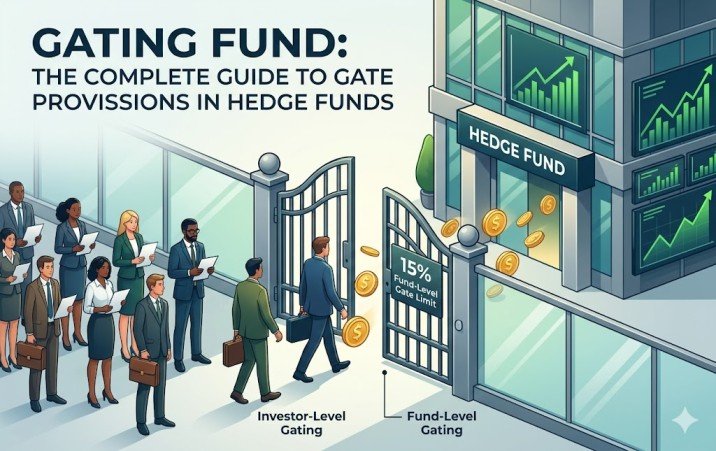
A gate provision is a legal provision in hedge fund documentation that restricts the amount of money that may be withdrawn by investors one redemption period at the fund level or on an individual investor basis. Table of Contents What…
By Khushboo Chhibber
Every business owner recognizes this scenario: working tirelessly, generating strong sales, but not seeing those results reflected in the bank account. This is a common situation among small business owners. The distinction between a struggling start-up and a sustainable, profitable…
By Team Accountiod

Markets hate uncertainty. This fundamental truth guides investors through volatile periods, especially when trade policies shift. In an interview on Detroit’s “The Pulse,” wealth advisor Jeffrey Fratarcangeli offered insights into how increasing clarity around tariff policies impacts market performance despite…
By Team Accountiod

In the modern financial landscape that is rapidly changing, businesses and investors are dependent on platforms capable of providing real-time and precise insights. FintechZoom.com Business has made it its mission to be one of such platforms, i.e. providing financial news,…
By Aaron Harris

The digital age has brought a new face of financial structures to the world, and the most popular digital currency is currently the Bitcoin, representing cryptocurrencies. FintechZoom.com Bitcoin has become a trusted source of insights and analytics on Bitcoin among…
By Aaron Harris