
Electronic Finance, or FinTech as it’s primarily known, is everywhere. Consumers all over the globe are using the power of electronic finance methods to support everything from shopping to investing. The industry is growing larger every year, but there is still a surprisingly high proportion of consumers who don’t fully understand all that the FinTech sector has to offer.
What is FinTech?
FinTech is essentially the combination of finance with technology, where technology is leveraged by payment providers to enhance the delivery of financial services and processes. The benefits of fintech are many and include the ability to deliver speedy, efficient, and secure transactions for both consumers and businesses.
While the electronic finance element of fintech is very much a 21st-century innovation, the idea of financial technology has been around for some time. Even during the 19th century, telegrams and morse codes were often employed to transfer money to different locations. The ATMs, credit cards, and electronic trading floors of the 20th century saw the sector gain traction, while the advent of personal finance apps and online banking ensured rapid development.
As life moved to the digital realm over the past few years, necessity saw a significant shift towards fintech utilization. However, according to data compiled by Plaid, 84% of surveyed respondents in the UK alone still continue to use fintech to manage their money in 2022. It’s clear that electronic finance is here to stay, so whether you’re planning to dive into this Canadian online casino with digital payments or to get involved in eTrading, here are the key fintech methods you need to know about.
Types of FinTech
Payments and Transfers Services
This type of FinTech includes services that enable individuals and businesses to send and receive money electronically. Payments and transfer FinTech companies provide consumers with a fast and secure way to make transactions, often with lower fees than traditional banking services. Examples of companies offering eWallets include PayPal, Venmo, Square, and Stripe.
Personal Finance Applications
Personal finance FinTech provides tools and services to help individuals manage their finances. FinTech companies offering personal finance tools help users create budgets, track expenses, save money, and invest for the future. Examples of personal finance applications include Mint, Acorns, Robinhood, and Wealthfront.
Lending and Financing
Companies operating in the lending and financing sphere provide alternative options for borrowing outside traditional financial institutions. These companies use technology to streamline the lending process, making it faster and more efficient. Examples of lending and financing FinTech companies include peer-to-peer lending platforms like LendingClub and Prosper, crowdfunding sites like Kickstarter and Indiegogo, and online lenders like Kabbage and OnDeck.
Wealth Management Software
Wealth management software provides the digital tools and platforms necessary for wealth management and financial planning. Wealth management FinTech companies help individuals manage their investments, create financial plans, and optimize their portfolios. Examples of wealth management service providers include investment management platforms like Betterment and Wealthfront, digital advisors like Ellevest, and robo-advisors like Charles Schwab Intelligent Portfolios.
Insurtech
Insurtech is a type of FinTech that utilizes technology to improve and streamline the insurance industry. Insurtech companies offer solutions for insurance claims management, policy administration, and pricing. Examples of insurtech software and companies inckluding Snapsheet, Metromile, PolicyGenius, and CoverHound.
Regtech
Regtech is a FinTech sector that focuses on regulatory compliance and uses technology to help financial institutions comply with regulations. Regtech companies offer solutions for risk management, compliance monitoring, and reporting. Companies including ComplyAdvatnage offer compliance software, while the likes of Ayasdi deliver risk management platforms.
DeFi Explained
Following the launch of Bitcoin in 2009 and its explosion in popularity during the 2010s, a robust electronic finance sector emerged into the mainstream. Blockchain and cryptocurrency is a powerful fintech segment that has, in turn, given rise to the decentralized finance sector.
DeFi presents an alternative to traditional financial services that operate using fiat currencies. The sector is powered by decentralized applications (DApps) and smart contracts that utilize the power of blockchain technology and expand its use cases into the mainstream financial world. Lending, for example, was one of the earliest utilization of DeFi, but it has since expanded into savings and investments, trading, market-making, and a lot more.
Example DeFi Applications
Decentralized Exchanges (DEXs)
DEXs allow consumers to trade digital assets such as NFTs or crypto tokens in a noncustodial way. They remove the need for a third-party service provider, ensuring instead that users can hold assets outside centralized platforms while still being able to trade via their (compatible) electronic wallets.
Aggregators and Wallets
Aggregators serve as the user interface for interacting with the DeFi market. Essentially, they are decentralized platforms for managing assets that automatically transfer users’ cryptocurrency assets between platforms to generate optimal yields and returns.
Digital wallets, on the other hand, are used to store and facilitate transactions with digital assets. These wallets can accommodate one or multiple assets and can be in the form of software, hardware, or exchange wallets.
Related Posts
Market volatility can test even the most confident investors. Sharp price swings, economic uncertainty, and unexpected global events often trigger emotional reactions that lead to rushed financial decisions. While some investors panic during downturns, professional fund managers approach volatility with…
By Team Accountiod
A cash loan in Singapore can get money into your hands within hours, not weeks. Workers, parents and small business owners across the island turn to licensed moneylenders when a bank’s timeline does not match their urgency. Whether you need…
By Team Accountiod

Buy a car is a thrilling experience, until the aspect of financing comes in between. Conventional banks tend to deny applicants with one credit report, and thousands of purchasers are left with no option. That is the very place that…
By Khushboo Chhibber
At a time when the American financial world is quickly becoming digital-first, Coyyn.com Digital Money is poised to be a central point of interaction between cryptocurrency education, gig economy services and wealth management. Table of Contents Why Digital Money Matters…
By Khushboo Chhibber
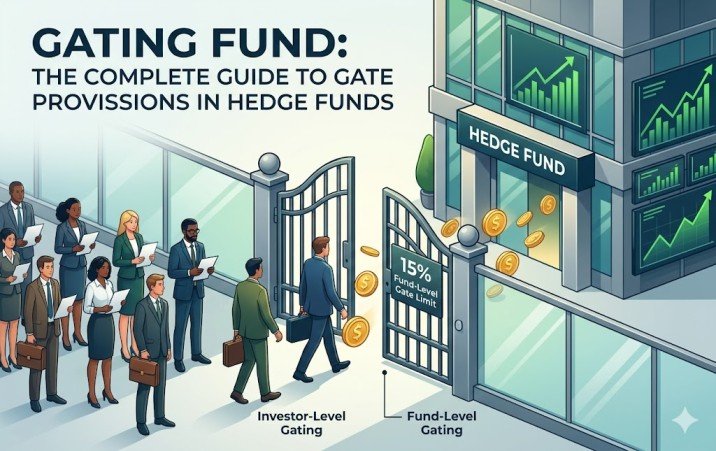
A gate provision is a legal provision in hedge fund documentation that restricts the amount of money that may be withdrawn by investors one redemption period at the fund level or on an individual investor basis. Table of Contents What…
By Khushboo Chhibber
Every business owner recognizes this scenario: working tirelessly, generating strong sales, but not seeing those results reflected in the bank account. This is a common situation among small business owners. The distinction between a struggling start-up and a sustainable, profitable…
By Team Accountiod

Markets hate uncertainty. This fundamental truth guides investors through volatile periods, especially when trade policies shift. In an interview on Detroit’s “The Pulse,” wealth advisor Jeffrey Fratarcangeli offered insights into how increasing clarity around tariff policies impacts market performance despite…
By Team Accountiod
In the modern financial landscape that is rapidly changing, businesses and investors are dependent on platforms capable of providing real-time and precise insights. FintechZoom.com Business has made it its mission to be one of such platforms, i.e. providing financial news,…
By Aaron Harris
The digital age has brought a new face of financial structures to the world, and the most popular digital currency is currently the Bitcoin, representing cryptocurrencies. FintechZoom.com Bitcoin has become a trusted source of insights and analytics on Bitcoin among…
By Aaron Harris